Full Interior and Exterior Inspection
We check foundation walls, crawlspaces, attics, utility penetrations, and exterior perimeter. This takes 45 to 90 minutes and identifies the species, the entry points, and the conditions attracting pests.
Every job starts with an inspection and a written plan. From there, the inclusions depend on the pest and the building. Here is what is standard on most residential treatments, and what we add when the situation calls for it.
We check foundation walls, crawlspaces, attics, utility penetrations, and exterior perimeter. This takes 45 to 90 minutes and identifies the species, the entry points, and the conditions attracting pests.
Bait stations, snap traps, and glue boards go in travel routes and harborage areas. Placement keeps them out of reach of pets and children while staying effective against rodents and crawling insects.
We seal gaps around pipes, vents, and sill plates with exclusion mesh and sealants. This is the step that stops the next infestation, and it is included on every rodent job we run.
When treatment is needed, we use boric acid, diatomaceous earth, dust insecticides, and insect growth regulators. Applications target cracks, voids, and entry points instead of blanket spraying.
You get a report after every visit showing what we found and what we placed. Follow-up checks run at 10 to 14 days, and the 90-day workmanship warranty covers any return of activity.
Organic Pest Control in Alaska is a low-toxicity pest management service that removes rodents, insects, and wildlife using targeted baits, traps, and exclusion materials rather than broad chemical fogging. We start with an inspection, identify the species and entry points, then treat the problem at the source. Bait stations go where pets and kids cannot reach them. Diatomaceous earth and boric acid handle ants and cockroaches. Snap traps and exclusion mesh close the gaps rodents use to get inside.
Anchorage homes face a specific set of problems: subarctic winters push mice and voles indoors from October through April, while short summers bring wasp nests under eaves and ant trails along foundation walls. Older housing stock near the 99515 and 99517 ZIP codes often has gaps around utility penetrations that no spray will fix. That is why customers searching for organic pest control near me Anchorage AK usually need exclusion work plus baiting, not a one-time spray.
Five steps take you from first call to a closed-out file. Most residential jobs finish in two visits, with monitoring after that.
Schedule
Call or book online — a real human picks up and confirms a 2-hour arrival window.
Diagnose
Licensed tech inspects on-site, then walks you through the cause and your options.
Fix
The job is completed to code and done right the first time — no shortcuts, no surprises.
Guarantee
Every job backed by a written workmanship warranty — and we stand behind it.
Bait stations
Tamper-resistant housings hold rodenticide bait or insect bait where pets and children cannot reach it. We place them along travel routes and check them on every monitoring visit.
Snap traps and glue boards
Snap traps handle rodents in attics, crawlspaces, and wall voids. Glue boards catch crawling insects and monitor activity levels between visits.
Exclusion mesh and sealants
We close gaps around pipes, vents, and sill plates with mesh and sealant. This is the step that stops the next infestation, and it is included on every rodent job.
UV blacklight
A UV blacklight reveals rodent urine trails and bed bug activity that is invisible under normal light. We use it during inspections to confirm the extent of the problem.
Vacuum equipment
HEPA vacuum equipment removes droppings, nesting material, and debris from crawlspaces and attics. Cleaning the area reduces allergens and prevents reinfestation.
Insecticide sprayers
When spraying is needed, we use low-toxicity products applied to cracks, voids, and entry points. Targeted application keeps the treatment focused where pests travel.
Integrated Pest Management (IPM)
IPM starts with inspection and exclusion before any treatment. We identify the species, close the entry points, and use the least-toxic method that solves the problem. This standard guides every job we run.
Baiting and insect growth regulators
Bait stations and insect growth regulators break the breeding cycle instead of just killing what you see. Workers carry bait back to the colony, and growth regulators stop larvae from reaching maturity.
Exclusion-first rodent control
We trap the current population, then seal every entry point with exclusion mesh and sealants. Skipping this step is why so many rodent problems come back every fall.
Seasonal monitoring
Monitoring visits run every 30 to 60 days depending on the pest and season. We check stations, refresh bait, and re-seal any gaps that have opened, so problems are caught early.
01
What we do: We inspect the attic and crawlspace, place snap traps along the runways, and seal the exterior gaps the mice used to get in. Exclusion mesh and sealants close the entry points for good.
→ Activity stops within two weeks, and the sealed entry points keep the next wave out through spring.
02
What we do: We trace the trail to the exterior entry point, place boric acid bait stations indoors, and treat the foundation line outside. Workers carry the bait back to the colony.
→ The colony collapses within days, and a follow-up visit confirms no new activity.
03
What we do: We schedule a same-day visit, remove the nest after dusk when the colony is calm, and treat the eaves to prevent rebuilding. Vents and gaps get sealed with exclusion mesh.
→ The doorway is safe within hours, and the treated area stays clear for the rest of the season.
04
What we do: We run a full inspection for rodents, cockroaches, and bed bugs, then provide a written report. If treatment is needed, we schedule it before your move-in date.
→ You know exactly what is in the unit before you commit, and any treatment is done before your furniture arrives.
Anchorage sits in a subarctic climate, and that shapes every treatment plan we write. From October through April, mice and voles move indoors looking for warmth. We see the heaviest rodent calls in neighborhoods with older housing stock, where utility penetrations and sill plates have gaps that no spray will fix. Summer brings a short, intense season for ants, wasps, and mosquitoes, and we adjust baiting and exclusion work accordingly. If you are looking for how to get rid of pests naturally in Anchorage, the answer almost always starts with sealing the building and then treating what is already inside. Our technicians know the freeze-thaw cycles that open new gaps each spring, and we re-check exclusion work on monitoring visits. We also follow state pesticide applicator license rules and EPA certification requirements on every product we apply, so the low-toxicity plan you get is documented and compliant.
South Anchorage
Larger lots and mature landscaping create rodent habitat near foundations. We focus on exterior exclusion and crawlspace monitoring through the winter.
Eagle River
Wooded properties see more wildlife and wasp activity. Exclusion mesh around vents and eaves is a standard part of our treatment here.
Downtown Anchorage
Older commercial and residential buildings have shared wall voids where cockroaches and rodents travel. We treat harborage areas and document for health inspections.
Turnagain
Homes near the inlet deal with moisture and crawlspace issues that attract insects. We use dust insecticides and dehumidification recommendations alongside baiting.
Subarctic winters push rodents indoors
Rodent calls spike from October through April. We schedule more monitoring visits in winter and prioritize exclusion work before the first hard freeze.
Freeze-thaw cycles open new gaps
Spring thaw can reopen sealed entry points. Our monitoring visits include re-checking exclusion mesh and sealants so the building stays closed.
Short, intense summer pest season
Ants, wasps, and mosquitoes compress their activity into June through August. We front-load exterior treatments in late spring to get ahead of the season.
Older housing stock with utility penetrations
Gaps around pipes and vents are common in pre-1990 homes. Exclusion work is the highest-value step on these properties, and we document every sealed point.
Most calls we get fall into a handful of categories. Here is what customers describe on the phone and how we handle each one.
Problem
Rodents contaminate food, chew wiring, and leave droppings that carry disease. A small population becomes a full infestation within weeks once they find warmth and a food source.
Our Fix
We place snap traps and tamper-resistant bait stations along travel routes, then seal every entry point with exclusion mesh. Most homes see activity drop to zero within 14 days, and the 90-day warranty covers any return.
Problem
Ant infestations spread into wall voids and can be difficult to reach with surface sprays. Colonies rebound quickly if the exterior entry points stay open.
Our Fix
We use boric acid and bait stations that workers carry back to the colony. Exterior treatment follows, sealing cracks and foundation gaps. Two visits usually clear the problem, with monitoring through the summer.
Problem
Wasps near doors and windows create a sting risk for anyone entering or leaving the building. Nests in vents can block airflow and damage the structure.
Our Fix
Technicians remove nests after dark when the colony is calm, then treat the area to discourage rebuilding. Same-day service is available for nests near entry points, and we seal vents with exclusion mesh afterward.
Problem
Cockroaches spread bacteria, trigger allergies, and multiply fast in warm, moist areas. Commercial kitchens risk failed health inspections if the problem is not documented and resolved.
Our Fix
We combine bait stations, insect growth regulators, and glue boards to break the breeding cycle. Treatments target harborage areas rather than open surfaces, and we provide documentation for health inspections.
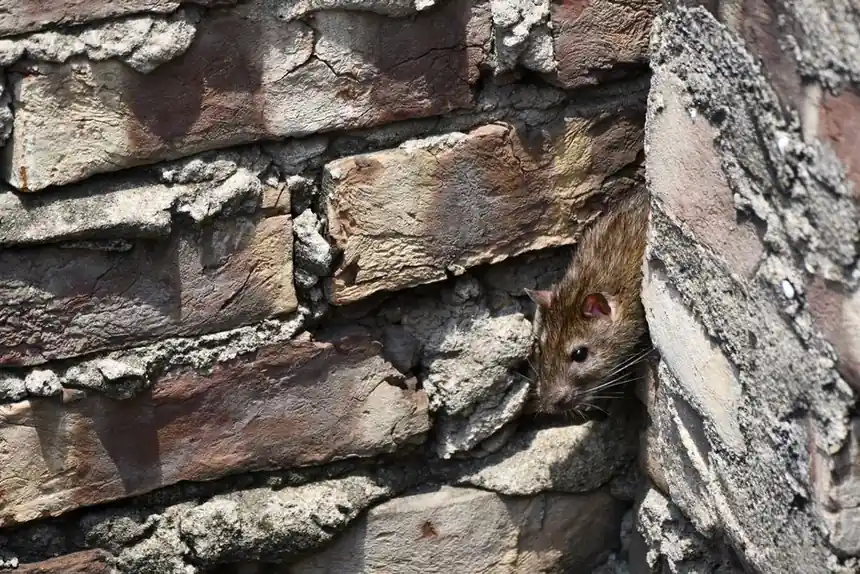
Low-toxicity pest control protects the people and animals living in your home while still clearing the infestation. Here is what that looks like in practice across Anchorage.
Pet and Kid Safe
We place bait stations and glue boards in cabinets, crawlspaces, and wall voids where pets and children cannot reach them. Rodenticide bait stays inside tamper-resistant housings. If you need pet safe pest control Anchorage AK, our technicians show you exactly where every station sits and how to check it between visits.
Fewer Repeat Visits
Exclusion work stops the next wave. We seal gaps around pipes, vents, and sill plates with exclusion mesh and sealants, then verify with a follow-up inspection. Most rodent jobs drop to zero activity within 14 days and stay there because the entry points are closed, not just baited.
Works in Cold Weather
Many sprays lose effectiveness below freezing. Baits, traps, and dust insecticides keep working inside heated structures all winter. Our technicians re-check stations every 30 to 60 days through the cold months so a December mouse problem does not become a February infestation.
Documented and Warrantied
Every visit ends with a written report showing what we found, what we placed, and what to watch for. Workmanship carries a 90-day warranty. If activity returns inside that window, we come back at no charge. That is what affordable organic pest control Anchorage customers actually get.
Typical 2026 pricing in Anchorage runs $180 to $450 for an initial residential treatment, with monitoring visits at $95 to $150 each. Rodent jobs with heavy exclusion work can reach $650. Commercial accounts are quoted per square footage and visit frequency. The price depends on the pest, the size of the building, and how many entry points need sealing. Customers looking for affordable organic pest control Anchorage pricing get a written quote before we start, and follow-up visits inside the 90-day warranty cost nothing.
Typical Investment Range
$180 - $650 for most residential jobs, with commercial accounts quoted separately
You are paying for inspection, exclusion, treatment, and follow-up, not a one-time spray. The sealed entry points and monitoring visits are what keep the problem from coming back next season, which is why the 90-day warranty means something.
What changes the price
Pest type and severity
A single ant trail costs less to treat than a multi-room cockroach infestation. Bed bugs and rodents take more time, more materials, and more follow-up visits.
Square footage
Larger homes take longer to inspect and treat. A 1,200-square-foot ranch is a different job than a 3,500-square-foot two-story with a full basement and crawlspace.
Number of entry points
Exclusion work is priced by the gap, not the hour. A home with six penetrations to seal costs more than one with two, but the sealed building stops the next infestation.
Commercial vs residential
Commercial accounts need documentation, scheduled monitoring, and after-hours service. Those requirements add cost, but they also keep you compliant with health inspections.
Monitoring frequency
Monthly monitoring costs more per year than quarterly, but it catches problems earlier. We help you pick the schedule that fits the building and the pest pressure.
Google ★★★★★4.9
They sealed the gaps around our pipes and set stations in the crawlspace. Mice were gone in under two weeks. The report they left showed every entry point, which no other company had done for us.
Yelp ★★★★★4.8
We needed low-toxicity treatment because of our dog. The technician explained every product and where it would go. Ants cleared up in about a week, and the follow-up visit confirmed it.
BBB ★★★★★4.9
Wasp nest above the front door, and they came out the same day. Removed it after dark, treated the eaves, and sealed the vent. Professional and fast, no upsell.
Google ★★★★★5.0
Property manager here. They document everything for my files and work around tenants. Three months in, no callbacks on the four units they treated.
Our technicians hold state pesticide applicator licenses and work under EPA certification requirements for every product we apply. We follow Integrated Pest Management (IPM) certification standards, which means we identify and exclude before we treat. The team carries QualityPro certification through the NPMA and follows OSHA safety compliance on every job site. We have worked Anchorage County homes, cabins, restaurants, and warehouses, and we know how this climate changes the plan. Cold snaps, freeze-thaw cycles, and older construction all affect where pests get in and how treatments hold.
Routine and same-week appointments for residents and businesses across Anchorage County, including the ZIP codes below.
Alaska Pest Solutions delivers organic pest control across the state, from the Mat-Su Valley to the Kenai Peninsula and remote communities. Our technicians route through Anchorage County and schedule rural visits in batches so travel time stays reasonable. If you need eco-friendly pest control in Alaska and you are outside the city, call and we will find a slot on the next route.
Mat-Su Valley farms and homes see rodent pressure from October through April. We seal barn and foundation gaps with exclusion mesh and set stations along travel routes.
Remote arctic housing deals with rodents seeking warmth in winter. We schedule batched visits and use tamper-resistant bait stations plus exclusion work on utility penetrations.
Kenai Peninsula properties near wooded areas see ant and rodent activity. Our treatment combines exterior baiting with crawlspace exclusion and seasonal monitoring.
Cabins and seasonal homes here need pest control that holds through vacancy. We use long-lasting bait stations and seal entry points so rodents cannot move in while you are away.
Rural Mat-Su properties see heavier rodent and wildlife pressure. We focus on exclusion around foundations and outbuildings, then monitor through the cold months.
Remote St. Lawrence Island housing needs low-toxicity methods that work in extreme cold. We use traps and dust insecticides in heated spaces and seal gaps with exclusion mesh.
Coastal Yukon-Kuskokwim communities deal with rodents entering homes in fall. We batch visits, set stations, and seal utility penetrations to keep the building closed.
River communities here need scheduled service because travel is seasonal. We plan visits around the route and use durable bait stations that last between trips.
Arctic housing on the Seward Peninsula sees rodent activity when temperatures drop. Our technicians seal entry points and place tamper-resistant stations in crawlspaces and wall voids.
Accessible only by boat, so we schedule visits carefully. We treat cabins and homes with low-toxicity baits and seal gaps that let rodents and insects in.
Interior Alaska properties near the Wrangell-St. Elias area see ant and rodent pressure. We combine exterior baiting with exclusion work on foundations and outbuildings.
Southeast Alaska homes deal with moisture-loving insects and rodents. We use dust insecticides in voids and seal gaps with exclusion mesh to keep the building dry and closed.
Remote Interior properties need pest control that lasts between visits. We set durable bait stations, seal entry points, and schedule monitoring around the travel route.
Prince William Sound communities require batched service visits. We treat homes and outbuildings with low-toxicity methods and seal gaps that let rodents in from the surrounding terrain.
Haines-area properties near the water see rodent and insect pressure. We seal foundations and vents with exclusion mesh and monitor stations through the season.
Real experiences from customers who chose our Organic Pest Control services.
“We had mice in the kitchen walls for two winters. Alaska Pest Solutions sealed the gaps around our pipes and set stations in the crawlspace. Activity stopped in about ten days and has not come back. The report they left showed every entry point they closed. Worth every dollar.”
Marcus T.
Homeowner, South Anchorage
“I manage four duplexes and needed something low-toxicity because tenants have pets. The team treated ant trails and roach activity with baits and growth regulators, no fogging. Three months later, no callbacks. They also documented everything for my files, which my owners appreciate.”
Dana R.
Property Manager, 99515
“Wasp nest right above our front door in July. They came out the same afternoon, waited until dusk, and removed it without anyone getting stung. Then they treated the eaves so the wasps would not rebuild. Fast, clean, and they explained what they were doing the whole time.”
Priya S.
Homeowner, Eagle River
Real answers to the questions we hear most often from local homeowners and property managers.
Ant trails along foundation walls and kitchen counters are common in Anchorage from May through September. We use boric acid and bait stations placed where pets cannot reach them, then seal the exterior entry points that let colonies back in.
View Ant ControlAnchorage basements and crawlspaces host spiders year-round. Our organic approach removes webs, treats voids with dust insecticides, and reduces the insect prey that keeps spiders fed. Most homes see a clear drop within two visits.
View Spider ControlMice and voles push indoors when temperatures drop below freezing. We combine snap traps, tamper-resistant bait stations, and exclusion mesh to clear the current population and seal the gaps they use to return.
View Rodent ControlMouse problems in Anchorage peak from October through April. Our technicians place traps in travel routes, seal utility penetrations, and check stations every 30 days through the cold season so a small problem does not become an infestation.
View Mouse ControlShort Alaska summers bring wasp nests under eaves, in vents, and inside wall voids. We remove nests after dark when the colony is calm, then treat the area to discourage rebuilding. Same-day service is available for nests near doors.
View Wasp and Bee RemovalBed bugs spread fast in Anchorage apartments and shared housing. Our treatment combines vacuum equipment, steam, and targeted applications, with follow-up checks at 14 and 30 days to confirm the infestation is cleared.
View Bed Bug TreatmentCall 877-729-2528 any time, day or night, and a real person answers. We schedule same-day and next-morning visits across Anchorage and the rest of Alaska. If you prefer email, send your address and the pest you are seeing to info@alaskapestsolutions.com and we will reply with a price and a visit window.
Phone
877-729-2528Address
Anchorage, Alaska
Hours
Mon–Fri: 7AM – 7PM
Sat: 8AM – 4PM
Sun: Emergency Only
24/7 Emergency Available